This step-by-step guide offers a compassionate approach to using a long line for dog training, emphasizing the importance of this versatile tool in creating safe and productive training sessions. By following the outlined instructions, you will learn how to properly attach the long line, manage your dog’s movements, and reinforce positive behaviors, all while fostering a trusting and confident bond between you and your furry friend. With patience and practice, the long line can help enhance your dog’s training experience, allowing for greater freedom and exploration while promoting responsible behavior.


Using a Long Line for Effective Dog Training
Choose the Right Long Line
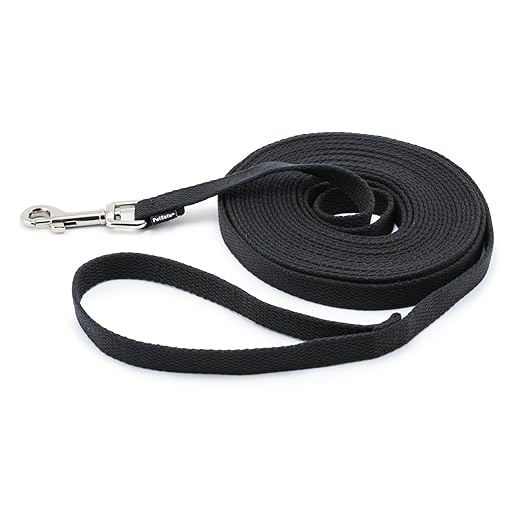
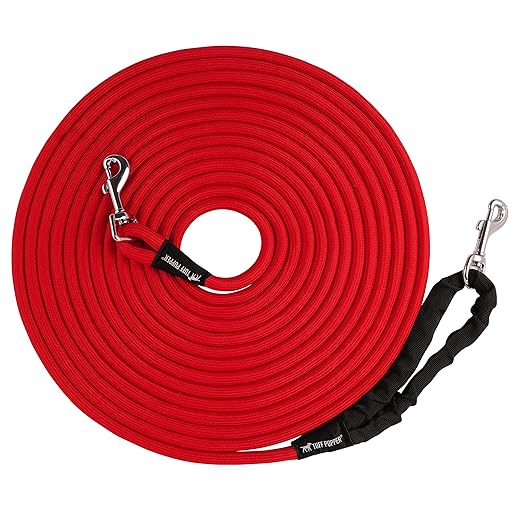
Choose a long line that matches your dog’s size and strength. For small breeds, opt for lightweight materials that won’t weigh them down, while larger, more powerful dogs require a sturdier line that can withstand pulling. Measure your dog’s weight and consider their behavior; a more energetic or strong dog may need a thicker, reinforced line for safety.
Select a line that ranges from 15 to 30 feet in length. A shorter line may limit your dog’s exploration, while a longer line can provide ample space for them to roam without losing control. Look for options made from durable yet lightweight materials, such as nylon or polyester, which can resist wear and tear while being easy for you to handle. Test out the line’s feel in your hands to ensure it provides a comfortable grip during your walks.


Familiarize Your Dog with the Long Line
Allow your dog to explore the long line before beginning any training sessions. Lay the long line on the ground in a safe, enclosed area where your dog feels comfortable. Encourage your dog to approach the line by using treats or their favorite toy. Let them sniff and investigate the line at their own pace. This exploration will help them become familiar with the texture and smell of the long line, reducing any potential apprehension when it’s time to use it.
Once your dog seems comfortable with the long line, gently toss it a few feet away and observe their reaction. If they show curiosity, praise them enthusiastically. If your dog seems hesitant, give them space and continue to encourage interaction with positive reinforcement. Gradually introduce the long line by lightly dragging it behind you while walking, allowing your dog to follow. This step ensures they associate the long line with positive experiences, making it easier to attach it to their collar later on without fear or hesitation.
Attach the Long Line Properly
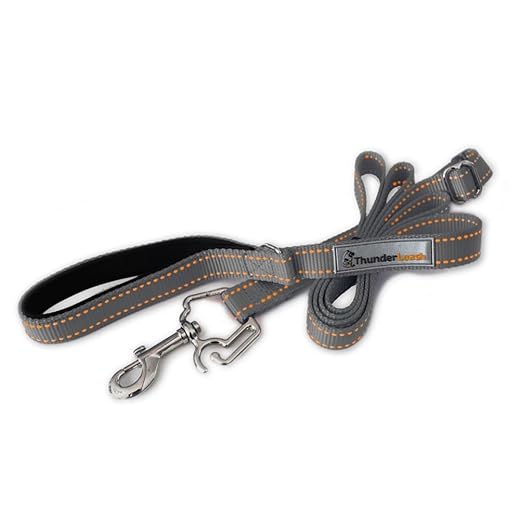
Attach the long line securely to your dog’s harness or collar. Choose a strong, durable clip that is designed for the long line, and inspect it for any signs of wear or damage before use. Position the clip at the appropriate attachment point on your dog’s harness or collar, ensuring it fits snugly and won’t slide off during movement.
Snap the clip into place, making sure it locks securely. Give a gentle tug on the long line to confirm that it is fastened correctly and that the connection is strong enough to withstand your dog’s pulling. Regularly check the attachment throughout your training session to ensure it remains secure and free from any obstructions that could cause accidental detachment.
Choose a Safe Training Environment
Select an open and safe space for training, prioritizing an environment that minimizes distractions. Look for locations like a quiet park or a large, enclosed backyard where your dog can focus on you without interruptions from other dogs or heavy traffic. Ensure the area is free from hazards such as sharp objects or steep inclines that could pose risks during training exercises.
Observe the surroundings for potential distractions before starting the session. If you notice other dogs nearby or noisy traffic, consider moving to a different spot. Keep the training area well-lit and spacious, allowing your dog room to move comfortably while learning new commands. Maintain a calm demeanor and encourage a peaceful atmosphere by speaking softly and using gentle body language, which will help your dog feel secure and focused.
Incorporate Basic Commands
Start training by focusing on basic commands like ‘sit,’ ‘stay,’ and ‘come.’ Use a long training line to create distance while ensuring your dog remains within your control. Position yourself in a quiet area free from distractions. Begin with the command ‘sit.’ Hold a treat above your dog’s nose and slowly move it back over their head. As their nose follows the treat, their bottom will naturally lower to the ground. Once they are sitting, praise them enthusiastically and reward them with the treat.
Next, practice the command ‘stay.’ With your dog in a sitting position, show your open palm towards them and say ‘stay’ firmly. Take a few steps back while keeping the long line taut to prevent them from moving. If they remain in place, return to them and reward their good behavior. For ‘come,’ gently pull on the long line to encourage your dog towards you while calling their name followed by the command ‘come.’ When they reach you, shower them with praise and a treat. Repeat these exercises regularly to reinforce learning and build a strong foundation for more advanced commands.
Gradually Increase Distance and Distractions
Increase the distance gradually by starting in a familiar, enclosed area where your dog feels secure. As your dog successfully responds to commands from a short distance, slowly increase that distance by steps of a few feet. Make sure to keep your dog’s focus by using treats or toys to reward them for returning to you. If they stray too far, call them back and reinforce the command with positive reinforcement.
Introduce mild distractions by incorporating elements like a friend walking by, a toy on the ground, or other dogs at a distance. Maintain your dog’s attention by using their name and offering treats when they respond to your commands despite the distractions. Ensure consistency in your reinforcement; reward them immediately after they obey, reinforcing the positive behavior. As your dog becomes more adept, you can gradually increase the complexity of distractions, helping them learn to focus on you in a variety of environments.
Mastering Long Line Techniques
In conclusion, using a long line for dog training is an effective way to balance freedom and control, allowing your dog to explore while reinforcing essential commands. By implementing the techniques outlined in this guide, you can create productive training sessions that not only enhance your dog’s obedience but also deepen your relationship. Embrace the benefits of the long line method, and watch as your dog flourishes in their training journey. Happy training!
Essential Gear Needed