Dog Treadmill Benefits: Keep Your Pet Fit and Healthy at Home
As an Amazon Associate, I earn from qualifying purchases. This post may contain affiliate links, which means I may receive a small commission, at no cost to you, if you make a purchase through a link.
Introduction
Keeping your dog fit and healthy can often feel like a monumental challenge. Busy schedules, inclement weather, and limited space can easily disrupt exercise routines for your furry friend. However, incorporating a dog treadmill into your home is a powerful solution that can help you maintain your pet’s fitness level despite these hurdles.
This article serves as a definitive guide, exploring the substantial benefits of dog treadmills for pet health. By understanding how these machines can improve your pet’s well-being, you’ll be better equipped to make informed choices. You’ll discover the problems associated with sedentary lifestyles, the landscape of common solutions, and ultimately, how a dog treadmill can transform your dog’s fitness routine.
Deconstructing the Problem: A Deep Dive into Sedentary Dog Lifestyles
The Root Causes
One major contributor to sedentary dog lifestyles is our increasingly busy lives. Many pet owners find it challenging to carve out time for daily walks. This leads to dogs missing out on essential physical activity, ultimately affecting their weight and energy levels.
Another root cause is environmental factors. Inclement weather or unsafe neighborhood areas can make outdoor exercise less appealing. As a result, dogs may remain indoors for extended periods, leading to boredom and inactivity.
Lastly, aging or health issues can restrict a dog’s ability to exercise. Allergies, joint problems, or other medical conditions can limit movement, reinforcing inactivity and further complicating the problem of pet obesity.
The Domino Effect
The implications of a sedentary lifestyle in dogs extend far beyond weight gain. Poor physical activity can lead to negative behavioral changes, such as increased anxiety and destructive behavior when bored. An under-exercised dog may develop unwanted habits like excessive barking or chewing.
In addition, a lack of physical activity can impact a dog’s mental well-being. Dogs often require mental stimulation alongside physical exercise. When they don’t receive both, it can lead to increased stress levels and diminished happiness, which can affect their relationship with you.
Lastly, chronic health issues may develop due to inactivity. Dogs that don’t exercise regularly are at a higher risk of obesity-related problems, such as diabetes, heart disease, and joint issues. This creates a cycle of health complications that can be difficult to reverse as time goes on.
The Landscape of Solutions: What Most People Try (And Why It Fails)
Outdoor Walks
Many pet owners naturally gravitate toward taking their dogs for outdoor walks. However, the limitations of this solution quickly become apparent. Weather conditions can make outdoor exercise virtually impossible at times. Additionally, the danger of traffic or unsafe environments often deters many owners from walking their dogs.
Furthermore, inconsistent walking schedules can prevent dogs from getting the exercise they need. It’s not enough to rely on sporadic outings; regular, consistent exercise is crucial for sustaining your pet’s health.
Dog Parks
Many owners also consider dog parks as a solution. While these parks allow dogs to run and interact with other pets, they aren’t always practical. Not all dogs get along with others, which can be stressful for both the dog and the owner.
Moreover, dog parks can be crowded, leading to overstimulation and potential anxiety for your pet. This environment doesn’t offer the controlled workout needed for many dogs, particularly those who may not thrive in a social setting.
Playtime Indoors
Indoor playtime is another alternative, but it often lacks the consistency that dogs require for proper fitness. While fetch or tug-of-war can be fun, the limited space and potential distractions mean that these activities may not provide a sufficient workout. This method may result in only short bursts of activity rather than a sustained, beneficial exercise session.
All of these solutions show us the inadequacy of traditional methods in maintaining a dog’s fitness. It’s time to consider a more effective solution that addresses these common shortcomings.
The Ultimate Solution: Introducing the Dog Treadmill
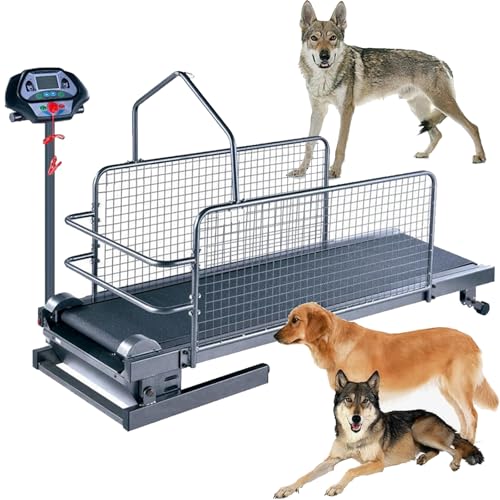
Don’t just take my word for it. After analyzing hundreds of user experiences, a clear pattern emerges. Customers consistently say that the Dog Treadmill, Small Pet Exercise Equipment with LCD Screen is a game-changer for their furry friends. It enables them to maintain fitness levels consistently, regardless of the weather or their busy schedules.
Product Box
Key Benefits
- Safety Features: Side handrails act as guardrails, encouraging your dog to stay on track.
- Multiple Modes: The display clearly shows time, distance, and calorie consumption, allowing you to monitor your dog’s activity effectively.
- Health Benefits: Incorporating regular exercise helps avoid obesity, enhances endurance, and improves reflexes.
- Easy Assembly: Built-in wheels make it easy to move and store.
A Buyer’s Guide: What to Look For in a High-Quality Dog Treadmill
Durability
When investing in a dog treadmill, durability should be a fundamental consideration. A strong and sturdy build ensures that the treadmill can withstand daily use. Many cheaper models quickly deteriorate, leading to safety concerns for your pet. The recommended Dog Treadmill excels in this area, offering a robust design that can support pets weighing up to 100 kg.
Adjustable Speed
Not all dogs have the same exercise requirements. Dogs of varying fitness levels require the ability to adjust speed easily. Look for a dog treadmill that offers a wide range of speeds. The recommended product provides speeds ranging from 0.8 to 12 km/h, making it suitable for dogs of all breeds and fitness levels.
Safety Features
Safety is paramount when it comes to exercising your dog indoors. A treadmill should have safety locks and side rails to minimize the risk of accidents. The recommended dog treadmill includes side handrails, reminding dogs to stay on track and promoting a sense of security while running.
Unlocking a Better Experience: A Step-by-Step Guide to Using Your Dog Treadmill
-
Assemble the Treadmill
Follow the included manual for a straightforward setup. Ensure all components are securely fastened before allowing your pet to exercise. -
Introduce Your Dog to the Machine
Allow your dog to explore the treadmill with it turned off. Familiarize them with the sound and feel of the equipment without pressure. This builds their confidence and reduces anxiety. -
Start with Slow Speeds
Begin the exercise routine at a slow speed. Gradually increase the pace as your dog becomes more comfortable. Monitor their reactions to ensure they’re enjoying the workout. -
Incorporate Short Sessions
Using the treadmill for short sessions—5 to 10 minutes—is essential for maintaining your dog’s focus. Gradually increase the duration as they adapt to the workout, aiming for 30 minutes. -
Cool Down and Reward
After your sessions, allow your dog to cool down. Provide plenty of water and reward them with your attention or treats. This positive reinforcement solidifies their love for treadmill workouts.
Frequently Asked Questions (FAQ)
1. Can any dog use a treadmill?
While most dogs can benefit from treadmill use, consult your veterinarian if your dog has existing health issues.
2. How often should my dog use the treadmill?
Aim for 3 to 5 sessions per week, gradually increasing the time as your dog adapts.
3. Is it safe to leave my dog alone on the treadmill?
No, never leave your dog unattended while using the treadmill. Always supervise to ensure their safety.
Conclusion: Your Path to a Happier, Healthier Dog
By understanding the challenges of maintaining your pet’s fitness, you’ve taken a step toward offering better care. A dog treadmill presents a stunning solution, allowing for exercises tailored to your dog’s needs.
Your dog deserves to be fit and healthy, and the Dog Treadmill, Small Pet Exercise Equipment with LCD Screen is an excellent tool for achieving that. Don’t let obstacles prevent you from providing the happiest life possible for your furry friend.
Empower your dog today by choosing the right exercise equipment for them.
Final Call to Action: The “Closing Argument” Box
Your Path to a Well-Behaved Dog Starts Here
Ready to solve unwanted behaviors and build a stronger bond? This is the tool that can make it happen.