Dog Treadmill for Large Dogs: Enhance Fitness with Safe Indoor Exercise
As an Amazon Associate, I earn from qualifying purchases. This post may contain affiliate links, which means I may receive a small commission, at no cost to you, if you make a purchase through a link.
Introduction
Keeping large dogs fit can be a challenging task. Regular outdoor exercise may not always be feasible due to weather conditions, schedules, or safety concerns. This can lead to weight gain and behavioral issues in your beloved pet. The good news is that a dog treadmill for large dogs offers an excellent solution to this common problem.
This article serves as a definitive guide to understanding how a dog treadmill can transform your dog’s fitness routine. We’ll explore the deeper issues surrounding limited exercise, review flawed solutions, and ultimately introduce an ideal option for your furry friend. By the end, you’ll have the knowledge needed to invest in your dog’s health.
Deconstructing the Problem: A Deep Dive into Limited Exercise for Large Dogs
The Root Causes
Many factors contribute to a dog’s limited exercise. One key issue is busy lifestyles. Owners often juggle work, family, and personal commitments, which can lead to limited outdoor time for their pets.
In addition, not all dogs feel comfortable in busy outdoor environments. Some may have anxiety or aggression issues that prevent them from enjoying walks. These psychological barriers can limit physical activity, leading to further behavioral problems.
Lastly, adverse weather conditions can play a significant role. Rain, snow, and extreme heat can deter even the most dedicated pet owner from exercising their dog outdoors. This combination of challenges can significantly impact a dog’s overall well-being.
The Domino Effect
The consequences of limited exercise are far-reaching. Not only can the physical condition of your dog suffer, but their mental health can also decline. Dogs that don’t get enough exercise are often more prone to anxiety and destructive behaviors.
Additionally, a lack of physical activity can lead to weight gain. Obesity in dogs is a growing concern, often resulting in various health conditions like diabetes and arthritis. These serious issues can dramatically affect your dog’s quality of life.
Finally, increased indoor energy can lead to disruptive behaviors such as barking, chewing, or digging. This places a strain on relationships between pets and their owners, contributing to a cycle that is hard to break.
The Landscape of Solutions: What Most People Try (And Why It Fails)
Outdoor Walks
One popular solution is taking dogs for regular outdoor walks. While this can be beneficial, it may not always be consistent or effective. Weather conditions and personal schedules can disrupt these plans. Furthermore, not all dogs are capable of long walks due to age or health issues.
Dogs can also become overstimulated in busy environments, resulting in anxiety or aggression. In such cases, outdoor walks can become a source of stress rather than relaxation.
Dog Parks
Dog parks offer an environment for unrestricted play and socialization. However, they can also be challenging for some dog breeds. Dogs with behavioral issues may find it hard to focus or feel comfortable around other pets.
Moreover, the time and energy required to visit a dog park regularly can be burdensome for many owners. Long distances and inconsistent access make this option less favorable for regular exercise.
Local Canine Classes
Many owners turn to canine fitness classes or playgroups to engage their dogs physically. Although these provide a social outlet, they often come with scheduling constraints. Classes can be expensive and require travel time, making them infeasible for many owners.
Ultimately, these solutions may provide temporary relief without addressing the underlying need for regular, controlled exercise tailored to the dog’s specific needs.
The Ultimate Solution: Introducing the Dog Treadmill for Large Dogs, Adjustable Ramp Canine Running Slatmill Machine
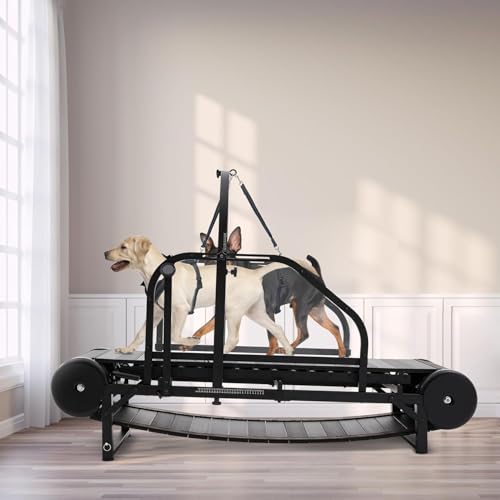
Having explored the limitations of conventional exercise methods, it’s time to reveal a more effective solution: the Dog Treadmill for Large Dogs, Adjustable Ramp Canine Running Slatmill Machine. This product offers a variety of features that ensure a safe and enjoyable workout for your pet.
Don’t just take my word for it. After analyzing hundreds of user experiences, a clear pattern emerges. Customers consistently say that their dogs love using the treadmill, showing improved fitness and mood.
Key Benefits
- Non-Electric Design: Dogs run freely on the track. The speed is determined by their movement, providing a natural running experience.
- Safety Features: The treadmill includes multiple safety rails and a brake handle, allowing for instant speed adjustment.
- Customizable Training: With adjustable slope resistance, it adapts to different dogs’ weight needs and allows for various workout intensities.
A Buyer’s Guide: What to Look For in a High-Quality Dog Treadmill
Durability
When investing in a dog treadmill, durability is crucial. A treadmill designed for canines should withstand wear and tear from vigorous activity. Look for features like robust materials and solid construction to ensure longevity and stability.
The Dog Treadmill for Large Dogs excels in durability with its high-quality build. This ensures your investment is sound and will provide years of use.
Safety Features
Safety should always be a top priority. Adjustable safety rails and an emergency brake feature are essential. They ensure your dog can exercise freely while minimizing the risk of injury.
With the included safety rail and brake handle, this dog treadmill prioritizes safety. This makes it an excellent choice for energetic dogs that love to run.
Customization Options
Different breeds have different requirements. A quality treadmill should offer adjustable settings for slope and speed. This allows you to customize the exercise experience based on your dog’s needs.
The Dog Treadmill for Large Dogs offers customizable incline and speed features. This allows for effective training routines suited to your dog’s fitness levels.
Size and Portability
Lastly, look for a treadmill that fits well in your space. Many owners appreciate models that are foldable or easy to store. This feature adds convenience, especially in smaller living areas.
This treadmill is designed to accommodate various dog sizes, ensuring that your large or medium dog can use it comfortably. Its portable design makes it easy to store when not in use.
Unlocking a Better Experience: A Step-by-Step Guide to Using Your Dog Treadmill
Step 1: Familiarize Your Dog
Start by introducing your dog to the treadmill. Allow them to explore it without using it. This makes them comfortable with their new exercise equipment.
This step builds trust and helps them associate the treadmill with positive experiences. Take your time to ensure your pet feels secure.
Step 2: Start Slow
Begin with a low speed setting. Encourage your dog to walk on the treadmill, gradually increasing the speed as they adapt. Always monitor their reaction.
Gradually increasing the intensity helps your dog build confidence. Patience is key; allow them to adjust at their own pace.
Step 3: Set a Routine
Create a consistent schedule for treadmill sessions. Consistency is essential for developing a habit. Dogs thrive on routine, which helps them understand when to expect exercise.
A well-planned routine aids in keeping your dog motivated to exercise regularly. Make it enjoyable for them.
Step 4: Monitor Progress
Use the treadmill’s built-in pedometer to track your dog’s performance. Monitoring their workout progress aids in setting goals and maintaining motivation.
Tracking progress helps you assess your dog’s fitness level. Adjust their workouts to align with their evolving needs.
Step 5: Make it Fun
Incorporate toys or treats while your dog is on the treadmill. This creates a positive association with the activity. Rewarding them can enhance their engagement.
Keep the experience fun and rewarding. This encourages your dog to enjoy their exercise sessions eagerly.
Frequently Asked Questions (FAQ)
1. Can my dog use a treadmill safely?
Yes, as long as the treadmill has safety features like rails and an emergency brake. Gradual acclimatization is also essential for a positive experience.
2. How long should my dog exercise on a treadmill?
Start with short sessions of around 10-15 minutes, gradually increasing the time. Monitor your dog’s stamina and adjust accordingly.
3. Is a treadmill an effective substitute for outdoor walks?
While it can supplement outdoor exercise, it’s essential to provide a combination of both. This ensures your dog benefits from varied experiences and social interactions.
4. What sizes of dogs can use this treadmill?
The treadmill is designed for medium to large dogs, accommodating various breeds comfortably. Always check your dog’s weight against the maximum capacity specified by the manufacturer.
Conclusion: Your Path to a Healthier, Happier Dog
In summary, limited exercise can create a challenging environment for large dogs. From obesity to behavioral issues, the impact is profound. However, the Dog Treadmill for Large Dogs provides a solution tailored to their needs.
This treadmill’s adjustable features and safety specifications make it the ideal choice for ensuring your dog’s fitness routine. By integrating it into your dog’s life, you’re investing in their health and well-being.
Take charge today; give your dog the exercise they deserve, and watch them thrive!
Final Call to Action: The “Closing Argument” Box
Your Path to a Well-Behaved Dog Starts Here
Ready to solve unwanted behaviors and build a stronger bond? This is the tool that can make it happen.