Dog Treadmill: A Safe Indoor Solution for Your Dog’s Energy Release
As an Amazon Associate, I earn from qualifying purchases. This post may contain affiliate links, which means I may receive a small commission, at no cost to you, if you make a purchase through a link.
Introduction
Every dog owner knows the struggle. Your furry friend stares at you, begging for exercise while you’re stuck indoors. It’s heartbreaking to watch them bounce off the walls when outdoor play isn’t an option. This is where a dog treadmill comes into play, offering a safe indoor solution for your dog’s energy release.
Dogs need regular exercise to stay healthy and happy, but sometimes life gets in the way. Inclement weather, busy schedules, or constrained spaces can all limit your dog’s activity. This article promises to be your definitive guide, delving deep into the world of dog treadmills and their benefits.
Let’s explore how a dog treadmill can be a practical and effective solution for managing your dog’s energy levels, providing a safer environment for indoor exercise.
Deconstructing the Problem: A Deep Dive into Indoor Energy Management
The Root Causes
High energy levels in dogs often stem from several underlying causes.
First, many dog breeds are naturally active and require significant amounts of exercise to stay balanced. Breeds like Border Collies or Labrador Retrievers are known for their higher energy levels. If they don’t get enough physical and mental stimulation, they can easily become bored and restless.
Another root cause is environmental factors. Sudden changes in weather can limit outdoor activities. Rainy days, snowstorms, or extreme heat can make it difficult for dog owners to provide the exercise their pets need.
Finally, lifestyle constraints also play a significant role. Busy work schedules or family commitments can limit the amount of time available for dog exercise, making it challenging to meet their needs.
The Domino Effect
Failing to address a dog’s excess energy can lead to many negative consequences.
When dogs are not adequately exercised, they can develop destructive behaviors. Chewing furniture or digging holes in your garden often become a cry for help, indicating a lack of physical and mental stimulation.
Excess energy can also lead to stress and anxiety in dogs. A restless dog may exhibit signs of agitation, such as barking or pacing, which can be stressful for both the dog and the owner.
Over time, these issues can escalate, affecting not only your dog’s well-being but also the overall harmony in your household.
The Landscape of Solutions: What Most People Try (And Why It Fails)
Outdoor Walks
Taking your dog for walks is the most common method of exercise. However, this has limitations, especially in inclement weather.
When it’s pouring rain or blazing hot outside, the idea of walking your dog becomes less appealing. Many owners skip walks altogether, leading to a sedentary lifestyle for their pets.
Furthermore, some dogs may be fearful of outdoor conditions, hindering their willingness to explore. This can make outdoor walks ineffective and leave energy levels unaddressed.
Dog Parks
Dog parks are popular for their socialization opportunities. While they offer a space for dogs to run and play freely, they also come with risks.
Unpredictable dog behavior can lead to accidents or aggressive encounters. Owners may also worry about exposure to illnesses transmitted through other dogs.
Additionally, not all owners can make regular trips to a park due to time constraints. This often results in sporadic exercise that fails to meet a dog’s daily needs.
Commercial Daycare Services
Many dog owners consider daycare services as a solution. While these facilities can provide stimulation, they come with high costs and specific scheduling limitations.
Not every dog is comfortable in a daycare setting. Some can become anxious in crowded environments, potentially leading to behavioral issues.
Regular trips to a daycare may not fit into every owner’s budget, making it an inconsistent way to ensure a dog gets enough exercise.
Now that we have explored why these solutions often fall short, let us introduce a truly effective alternative.
The Ultimate Solution: Introducing the Dog Treadmill for Medium, Large Dogs
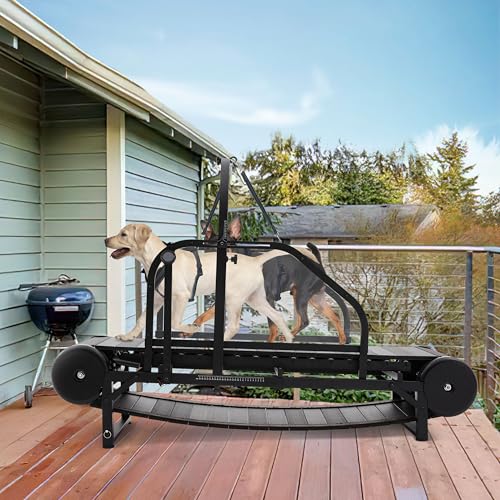
Now, let’s talk about the best way to meet your dog’s exercise needs while addressing the pitfalls of previous solutions. The Dog Treadmill for Medium, Large Dogs is an innovative way to ensure your dog burns off energy safely indoors.
Don’t just take my word for it. After analyzing hundreds of user experiences, a clear pattern emerges. Customers consistently say that this treadmill provides a customizable experience, allowing their dogs to exercise comfortably without the constraints of outdoor limitations.
Key Benefits
- Benefit 1: The dog treadmill simulates a natural running environment, providing essential exercise regardless of the weather. This means no more worrying about rain or snow affecting your dog’s need to run.
- Benefit 2: Its non-electric self-driving design allows your dog to set the pace, ensuring a comfortable experience tailored to their energy levels. This encourages them to engage actively without feeling forced.
- Benefit 3: Multi-function adjustment and uphill resistance adapt to dogs of different weights and fitness levels. This ensures that every run is effective and promotes your dog’s healthy growth, making it perfect for energetic breeds.
A Buyer’s Guide: What to Look For in a High-Quality Dog Treadmill
Safety Features
Safety is paramount when it comes to exercising your dog. Look for treadmills designed with non-slip surfaces and emergency stop features.
The recommended Dog Treadmill for Medium and Large Dogs excels in safety, featuring a handbrake system allowing you to control speed instantly. This additional layer of security offers peace of mind as you supervise your pet.
Size and Weight Capacity
Choosing the right size and weight capacity is essential. Different breeds require various dimensions to exercise comfortably.
This treadmill accommodates dogs weighing up to 350 lbs, making it suitable for a wide range of breeds. This ensures a versatile exercise option for various dog owners, regardless of their pet’s size.
Adjustable Features
Adjustability can significantly enhance usability.
The ability to set different incline levels or speeds helps provide more balanced workouts. The treadmill we’re discussing allows for slope adjustments, catering to your dog’s unique fitness journey and promoting better muscle tone.
User-Friendly Design
An intuitive design benefits both owners and pets.
A straightforward setup and easy operation can make all the difference. The recommended dog treadmill is designed for easy assembly and operation, ensuring minimal frustration for users, while keeping their dogs motivated to run.
Unlocking a Better Experience: A Step-by-Step Guide to Using Your Dog Treadmill
-
Setting Up the Treadmill
Assemble your treadmill in a designated space where you can easily supervise your dog. Make sure it’s away from distractions so your dog can focus. -
Introducing Your Dog
Allow your dog to explore the treadmill before starting it. Use treats to create a positive association with the equipment. -
Start with Low Speeds
Begin at a low speed to let your dog acclimate to the movement. Gradually increase the speed as your dog gains confidence on the treadmill. -
Monitor Their Behavior
Keep an eye on your dog’s body language. If they seem anxious, slow down or take a break. -
Create a Routine
Incorporate treadmill sessions into your daily routine to ensure your dog maintains a healthy exercise schedule. Consistency is key to maximizing benefits.
Frequently Asked Questions (FAQ)
Is a dog treadmill suitable for all breeds?
Yes, many dog treadmills are designed to accommodate various sizes and weights. The recommended treadmill can support dogs up to 350 lbs.
How often should my dog use the treadmill?
It’s advisable to start with short sessions, gradually increasing the duration as your dog becomes more accustomed. Aim for at least 30 minutes of exercise most days.
Can my dog run on a treadmill at any age?
Young puppies can benefit from short, controlled sessions, while older dogs should have their workout intensity assessed based on their health and fitness levels. Consult your vet if you have concerns.
How do I clean the treadmill?
Most dog treadmills come with user-friendly designs that make cleaning easy. Wipe down the surface with pet-safe cleaning solutions to keep it sanitary.
Conclusion: Your Path to a Well-Exercised Dog
In summary, managing your dog’s energy levels is crucial for their health and happiness. The journey through various flawed solutions leads us to an effective and safe option—the Dog Treadmill for Medium, Large Dogs.
With its customizable workout features, it’s a valuable tool for helping your pet release built-up energy. As a responsible dog owner, you owe it to yourself and your furry friend to invest in a solution that promotes a balanced lifestyle.
Now is the time to take control and provide your dog with the exercise they need, even indoors.
Final Call to Action: The “Closing Argument” Box
Your Path to a Well-Behaved Dog Starts Here
Ready to solve unwanted behaviors and build a stronger bond? This is the tool that can make it happen.
This detailed exploration of dog treadmills provides a comprehensive look at how they serve not only as a remedy but also as a crucial investment in your dog’s overall health and well-being.