
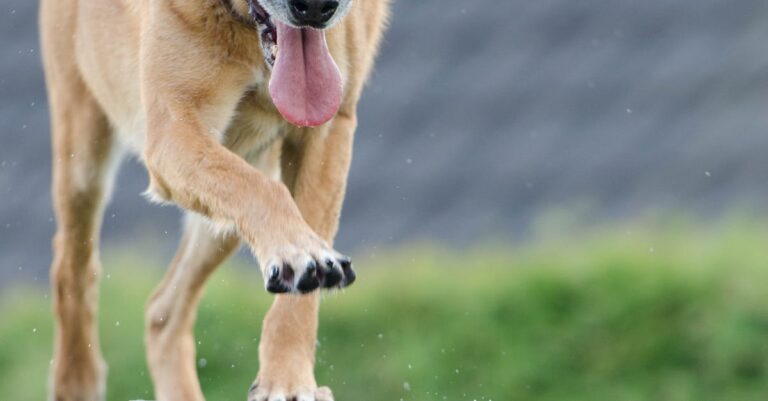
Tailoring Training to Individual Dog Needs
Every dog is unique, with its own personality traits, learning paces, and behavioral quirks. Understanding these individual differences can significantly enhance the training process. Modern dog training resources emphasize the importance of assessing a dog’s specific needs, whether it’s addressing anxiety, aggression, or simple stubbornness. Tailored approaches consider various factors such as age, energy levels, and past experiences, ensuring that training becomes a more effective and enjoyable journey for both the dog and handler.
Utilizing individualized training methods not only fosters a deeper bond but also promotes a dog’s overall well-being. Strategies can range from personalized reinforcement techniques to creating a structured environment that caters to a dog’s comfort. By focusing on what works best for each dog, handlers can successfully motivate their furry companions, resulting in a positive reinforcement loop that encourages continuous learning. This attention to detail ultimately transforms the training experience from a chore into a fulfilling partnership.
Have a peek at this blog for further readings.
Customizing Approaches Based on Breed and Personality
Understanding a dog’s breed and personality can significantly enhance the effectiveness of their training. Each breed comes with its own set of characteristics, needs, and tendencies that can dictate the most suitable training methods. For instance, herding breeds may thrive on tasks that engage their instincts, while toy breeds may respond better to positive reinforcement techniques that promote bonding. Tailoring training approaches ensures that methods resonate with the dog’s natural behavior, making the process smoother and more enjoyable for both the dog and handler.
Personality also plays a crucial role in shaping training strategies. Some dogs are naturally outgoing and eager to please, while others might be more reserved or independent. Recognizing these traits allows trainers to adjust their techniques accordingly. For example, a shy dog may require gentle encouragement and gradual exposure to new experiences to build confidence. Conversely, a more assertive dog might benefit from clear boundaries and consistent reinforcement to foster discipline. By customizing training based on both breed attributes and individual personality, handlers can create a more effective and harmonious learning environment.
Integrating Mindfulness into Dog Training
Mindfulness in dog training emphasizes being present and calm during interactions with pets. By cultivating a peaceful mindset, handlers can create a more positive environment for their dogs. This focus not only improves communication between the dog and trainer but also enhances the overall experience for both. Dogs are highly sensitive to their handlers’ emotions, so increasing awareness of one’s own mental state can lead to more effective training sessions.
Practicing mindfulness can help reduce stress for both the handler and the dog. When trainers approach sessions with intention and awareness, they are less likely to react impulsively to behavioral challenges. This sense of calm fosters trust and encourages dogs to engage more readily during training. Integrating simple mindfulness techniques into routine interactions can significantly improve the bond between handler and dog, paving the way for a harmonious training journey.
The Benefits of a Calm Approach for Handler and Dog
A calm demeanor significantly enhances the training experience for both handler and dog. When trainers remain composed, they create an environment that fosters learning and reduces anxiety. Dogs are astute observers and can sense their handler’s emotions; thus, a relaxed handler elicits a more focused and responsive dog. This mutual state of calm can lead to productive training sessions where positive reinforcement thrives.
Additionally, adopting a mindful approach allows handlers to better read and understand their dog’s body language and emotional cues. This awareness enables the trainer to adjust techniques to suit the dog’s needs effectively. As training becomes more attuned to the individual dog’s reactions, it accelerates the learning process. Each interaction, conducted with a sense of calm, strengthens the bond and trust between handler and dog, paving the way for successful collaboration.
Exploring the Human-Animal Bond
The relationship between dogs and humans has evolved significantly, particularly as understanding of animal behavior deepens. Modern training books emphasize the importance of fostering a strong emotional connection, which can enhance communication between pet and owner. Techniques that highlight positive reinforcement and empathy allow trainers to connect with their dogs on a deeper level. This connection becomes essential for building trust and cooperation during training sessions.
Innovative training methods are designed to enrich this bond, moving beyond traditional commands. Approaches like interactive play and cooperative tasks promote social learning, encouraging dogs to engage with their owners actively. Through these practices, trainers report improved responsiveness and a sense of fulfillment in dogs. Ultimately, these methods create a more positive training environment that benefits both the dog and the handler.
Building Trust Through Innovative Training Techniques
Innovative training techniques emphasize the importance of building trust between dogs and their handlers. These methods often incorporate positive reinforcement and reward-based systems, creating a safe learning environment where dogs feel secure and confident. Incorporating games and interactive activities helps foster a sense of collaboration. When dogs engage in play, they are more likely to associate training with enjoyment, strengthening the bond with their handler.
Another effective approach involves gradual exposure to various stimuli, allowing dogs to acclimate at their own pace. This technique reduces anxiety and promotes comfort in unfamiliar situations. By being patient and attentive to the dog’s signals, handlers can create a strong foundation of trust. When dogs sense that their needs and emotions are understood, they become more receptive to training, paving the way for deeper connections between them and their handlers.
FAQS
What are some key themes found in modern dog training books?
Modern dog training books often emphasize tailoring training to individual dog needs, integrating mindfulness into training practices, and exploring the human-animal bond to enhance trust and communication.
How can training be customized based on a dog’s breed and personality?
Training can be customized by considering specific breed characteristics and individual personality traits. For example, some breeds may respond better to positive reinforcement, while others might require more structured training methods to stay engaged.
What role does mindfulness play in dog training?
Mindfulness in dog training involves being present and calm during training sessions, which can help reduce stress for both the handler and the dog. This calm approach can lead to more effective communication and better learning outcomes.
How can innovative training techniques build trust between dogs and their handlers?
Innovative training techniques, such as using positive reinforcement and engaging in play-based learning, can foster a sense of safety and understanding. This helps build trust as the dog learns to associate training sessions with positive experiences.
Are there any specific benefits to using a calm approach in dog training?
Yes, a calm approach can lead to improved focus and responsiveness from the dog, reduce anxiety, and create a more enjoyable training environment for both the handler and the dog. This can ultimately enhance the bond between them.
Related Links
Classic Texts on Effective Dog Training
The Best Dog Training Books for New Owners
In-Depth Training Guides for Challenging Breeds
Authoritative Resources on Positive Reinforcement Strategies
Must-Have Manuals for Optimal Dog Training
Training Techniques Explained: Top Books for Beginners
Recommended Literature for Understanding Dog Psychology