Prong Collar for Dogs: Effectively Stop Pulling and Barking Today
As an Amazon Associate, I earn from qualifying purchases. This post may contain affiliate links, which means I may receive a small commission, at no cost to you, if you make a purchase through a link.
Introduction
Every dog owner has faced the struggle of a dog that pulls on the leash or barks incessantly. It’s frustrating and can even lead to dangerous situations. The primary keyword, “prong collar for dogs,” can be a game-changer in these scenarios.
In this definitive guide, we will explore how a prong collar can assist in correcting unwanted behaviors effectively. You’ll learn its purpose, how it works, and why it might be the ideal solution for you and your dog.
Let’s dive into this comprehensive resource, aiming for a peaceful and enjoyable experience for both you and your canine friend.
(H2) Deconstructing the Problem: A Deep Dive into Pulling and Barking
Walking your dog should be a joyful experience, but pulling on the leash and barking can turn it into a nightmare. This problem isn’t just annoying; it can lead to stress for both the owner and the dog.
Understanding the root causes can help in addressing these issues directly. Knowing why your dog behaves this way is the first step to finding an effective solution.
(H3) The Root Causes
Instinctual Behavior
Dogs were bred for specific purposes, and instinct often dictates their actions. Many breeds have inherent traits that lead them to pull when excited, as they want to chase a perceived threat or simply explore their surroundings. This behavior can be especially pronounced in breeds with high energy.
Inadequate Training
Some dogs pull because they haven’t been trained properly. Many owners assume their dogs will know how to behave on a leash without guidance. This lack of training can lead to habits that are hard to break, making walks a tug-of-war.
Lack of Exercise
Dogs that are not exercised adequately tend to have more pent-up energy. Excess energy can manifest as pulling while walking or barking excessively. A lack of physical activity can contribute to behavioral issues that frustrate both the dog and the owner.
(H3) The Domino Effect
The consequences of pulling and barking can affect more than just your immediate peace. Stress levels can rise for both you and your pet, impacting your daily routine.
Additionally, repeated incidents can tarnish the bond between you and your dog. When walking your dog becomes a chore rather than a pleasure, frustration may lead to negative feelings toward your pet.
Lastly, if your dog pulls excessively, it can lead to physical harm. A sudden jerk on the leash can cause injuries, not only to your dog but also to you.
(H2) The Landscape of Solutions: What Most People Try (And Why It Fails)
Many dog owners seek to correct pulling and barking through common techniques, but often these methods fall short.
Traditional Collars
Standard collars are commonly used, but they often fail to address the root problem. Rather than stopping pulling, they can make it worse because they only apply pressure on the neck, which may cause discomfort.
Harnesses
Some owners opt for harnesses, thinking they will provide more control. However, these often allow greater pulling since they give the dog more leverage. The harness encourages the dog’s natural instinct to pull, reinforcing unwanted behavior.
Vocal Commands and Treats
Training with vocal commands can work, but it requires time, patience, and consistency. Many owners lack the dedication to stick with a training regimen, resulting in little progress. Treats may also lead to overeating and other behavioral problems if not managed well.
Transitioning to a more effective solution can save time, reduce stress, and make walks enjoyable again.
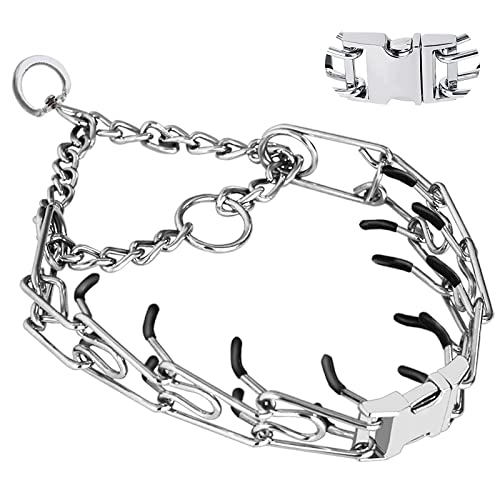
(H2) The Ultimate Solution: Introducing the Prong Collar for Dogs, Adjustable Size Dog Training Collar, Dog Pinch No Pull Collar with Quick Release Buckle for Small Medium Large Dogs (Packed with Two Extra Links)
Through exploring the flaws of previous solutions, we arrive at the prong collar as an effective alternative. Unlike traditional collars or harnesses, a prong collar mimics the gentle correction a mother dog would give her pups.
Don’t just take my word for it. After analyzing hundreds of user experiences, a clear pattern emerges. Customers consistently say that the prong collar is highly effective for curbing pulling and barking, leading to a more enjoyable walking experience.
Key Benefits
- Benefit 1: Easily correct your dog’s behavior without harshness. The collar mimics a mother dog’s correction method, making it intuitive for your pet.
- Benefit 2: Made with high-strength chrome-plated stainless steel, this collar is durable and rust-resistant, ensuring long-term use for diverse breeds.
- Benefit 3: The adjustable size allows you to customize the fit, making it suitable for small to large dogs, enhancing both comfort and effectiveness.
(H2) A Buyer’s Guide: What to Look For in a High-Quality Dog Training Collar
Choosing the right training collar can be overwhelming. Here are essential features to consider.
(H3) Material Quality
The material used in a collar is crucial for durability and safety. High-quality stainless steel is a must, as it resists rust and wear and tear. The Prong Collar for Dogs excels in this category, boasting a durable chrome-plated construction.
(H3) Adjustability
An adjustable collar is essential for ensuring it fits snugly without causing discomfort. A collar that can be customized is preferable, as it will suit the individual needs of your dog. The adjustable design of the recommended prong collar makes it suitable for dogs of various sizes.
(H3) Comfort Features
A collar should provide both correction and comfort. Collars with rounded edges and rubber caps can prevent injury and irritation. The Prong Collar for Dogs incorporates soft rubber caps, which enhance comfort while maintaining its effectiveness.
(H3) Ease of Use
Ease of attachment and detachment is vital for user experience. Look for collars with quick-release buckles that streamline the process. The quick-release feature of this prong collar saves time and stress during walks.
(H2) Unlocking a Better Experience: A Step-by-Step Guide to Using Your Prong Collar
Using a prong collar doesn’t have to be daunting. Here’s how to make the most of it.
-
Choose the Right Size
Measure your dog’s neck before selecting a collar. A good fit minimizes discomfort and enhances training efficiency. -
Introduce Gradually
Allow your dog to adjust to wearing the collar. Start with short sessions and gradually increase the duration as your pet becomes more comfortable. -
Use Positive Reinforcement
Pair the collar with treats and praise. This action helps your dog associate the collar with positive experiences. -
Correct Gently
Use a gentle tug to redirect your dog’s attention. Don’t jerk the leash; this should be a mild correction that grabs their focus without causing pain. -
Consistency is Key
Be persistent and consistent in your training efforts. This consistency will lead to more effective results over time.
(H2) Frequently Asked Questions (FAQ)
How does a prong collar work?
A prong collar applies gentle pressure around a dog’s neck when they pull, mimicking a mother dog’s correction.
Is a prong collar safe for my dog?
Yes, when used correctly, a prong collar is a safe and effective training tool. Ensure the collar is fitted properly to prevent discomfort.
At what age can I start using a prong collar?
Typically, prong collars can be used for dogs over six months old, but it’s advisable to consult a veterinarian or a professional trainer.
How do I clean the prong collar?
Simply use warm, soapy water for cleaning. Make sure to let it dry completely before use.
(H2) Conclusion: Your Path to a Well-Behaved Dog
Unwanted behaviors like pulling and barking can be daunting, but solutions are available. By understanding the root causes and choosing a suitable tool, like the Prong Collar for Dogs, you can restore harmony to your walks.
This collar not only enhances communication but also strengthens the bond you share with your pet. Take the first step toward a more enjoyable experience during walks with your dog.
Final Call to Action: The “Closing Argument” Box
Your Path to a Well-Behaved Dog Starts Here
Ready to solve unwanted behaviors and build a stronger bond? This is the tool that can make it happen.